Short answer: yes, for many pieces. Household 3% hydrogen peroxide, used briefly and rinsed off, is generally fine on solid gold, platinum, stainless steel, titanium and tungsten. Use it with care on sterling silver (short soaks only, because it can darken silver) and test plated or costume pieces on a hidden spot first. Do not use it on pearls, coral, amber, turquoise, opal or other porous or oil-treated gemstones, and never mix it with vinegar in the same container.
Homemade jewelry cleaner hydrogen peroxide can help loosen dirt and grime on many kinds of jewelry. Used correctly, together with the right tools, it is a useful home cleaner, but it is not suitable for every piece, and it must never be mixed with vinegar in one container.
Wikipedia: Hydrogen peroxide is a chemical compound with the formula H2O2
Table of Contents
Hydrogen Peroxide – One of the Best Homemade Jewelry Cleaner
Here are the reasons:
- Mild at the standard 3% household strength
- Easy to get
- Not expensive
- A good agent to make jewelry dazzling again
Actually, a lot of common household items can be easily used for cleaning jewelry at home, so if you don’t like buying or using commercial jewelry cleaner, you have a lot of options. Baking soda is often used for cleaning household objects, but did you know that combined with hydrogen peroxide, you can remove stubborn dirt and verdigris from jewelry?
Is It Safe to Clean Jewelry with Hydrogen Peroxide?
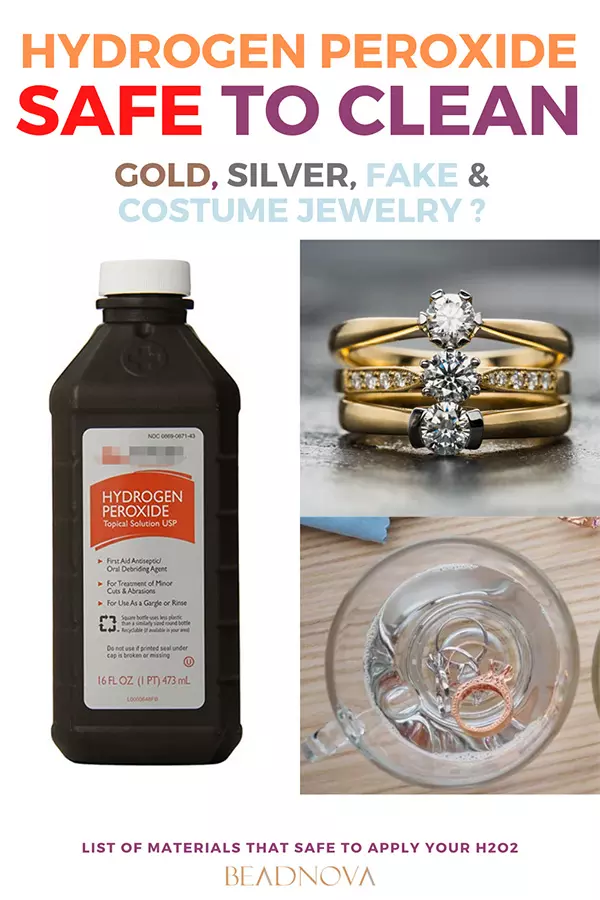
Is Hydrogen Peroxide safe to clean gold, silver, fake & costume jewelry?
Does hydrogen peroxide hurt gold and silver? Used briefly and rinsed off, household (3%) hydrogen peroxide is generally fine on solid gold and platinum. Silver needs more care: left to soak, peroxide can darken (oxidize) silver, and plated pieces can lose their thin surface layer. It is most suitable for:
- fine metal like platinum, yellow gold, white gold, rose gold
- solid 925 sterling silver, for a short soak only (not silver-plated pieces)
- stainless steel, titanium and tungsten jewelry (test a hidden spot first on brass and other base-metal or plated costume pieces)
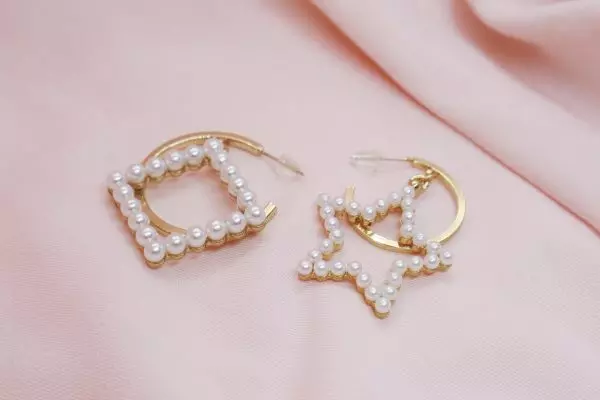
Do not use hydrogen peroxide on pearls, coral, amber, turquoise, opal or other porous, organic or oil-treated gemstones (such as most emeralds). GIA advises keeping pearls and porous gems away from chemicals and cleaning them with mild dish soap and warm water instead. For a better cleaning effect on suitable metal pieces, using hydrogen peroxide with baking soda is explained in the following chapter.
Can It Clean All Kind of Jewelry?
Apart from the exceptions above (pearls, porous or treated gemstones, and plated pieces), this cleaner can be used on many everyday metal pieces, such as:
- ring band
- brooches and charms
- earrings, piercing jewelry
- necklace chain and pendant
- bracelets and bangles
- cuff-link, tie clips, money clips
- other solid-metal jewelry and accessories (if in doubt, ask a jeweler first)
Hydrogen Peroxide by Jewelry Type
| Jewelry | Household 3% hydrogen peroxide? | What to do |
|---|---|---|
| Solid gold and platinum | Generally fine | Short soak, gentle brushing, rinse and dry |
| Stainless steel, titanium, tungsten | Generally fine | Short soak, rinse and dry |
| Solid 925 sterling silver | Use with care | Short soak only; longer soaks can darken silver |
| Silver-plated, gold-plated, brass and costume jewelry | Use with care | Test a hidden spot first, or use mild soap and water |
| Pearls, coral, amber, turquoise, opal | Avoid | Mild dish soap and warm water, then dry gently |
| Oil-treated gemstones, such as most emeralds | Avoid | Mild soap and water; ask a jeweler if unsure |
How Often Should You Clean the Jewelry?
Piercing Jewelry: Clean Often
Getting an intimate touch with your sensitive skins, piercing jewelry should be taken care of the most on their hygiene and maintenance. That’s, you should clean it every time you put it on and every time you take it off.
And as you are taking care of those body jewelry and earrings so often, a simple clean process is good enough:
Rinse with clean water > Rub gently > Dry
Extra cleaning agents are needed and even not highly recommended to avoid allergy to the chemical residue. Of course, it is always a must to rinse very thoroughly after every time any chemicals is applied to the jewelry.
And sometimes you are just too long to take off your daily-wearing earrings and lovely piercing body jewelry. The lotions, the daily body oil will trap and stick on the jewelry and maybe on your skin.
Take them off and clean them often with water and sometimes with a natural cleaning agent that will prevent dirt-trapping in the piercing hole. (Note: NEVER apply hydrogen peroxide directly on your skin)
Jewelry with the Setting: Clean Often
Including all gemstone, diamond, and crystal settings, like your solitaire diamond proposal ring, and your amethyst crystal necklace.
Oil, grease, dirt are easily trapped and stick under those setting and prongs. Daily wash and showering may not be able to clean them out. Some weeks after, you may find the sparkling diamond starting to lose its dazzling. Then it will be time to take more steps to make it shine again.
Other Non-piercing Jewelry:
You can clean less often. Gently rinsing with tap water after your whole day’s activity will be nice.
For those, you are wearing all day and will have showering with every day. You only need to take extra steps to clean them when it gets some bad smells, with some oil and greases stuck on.
Two Methods to Make Jewelry Cleaner at Home

Method 1. Mixing Baking Soda with Water and Hydrogen Peroxide
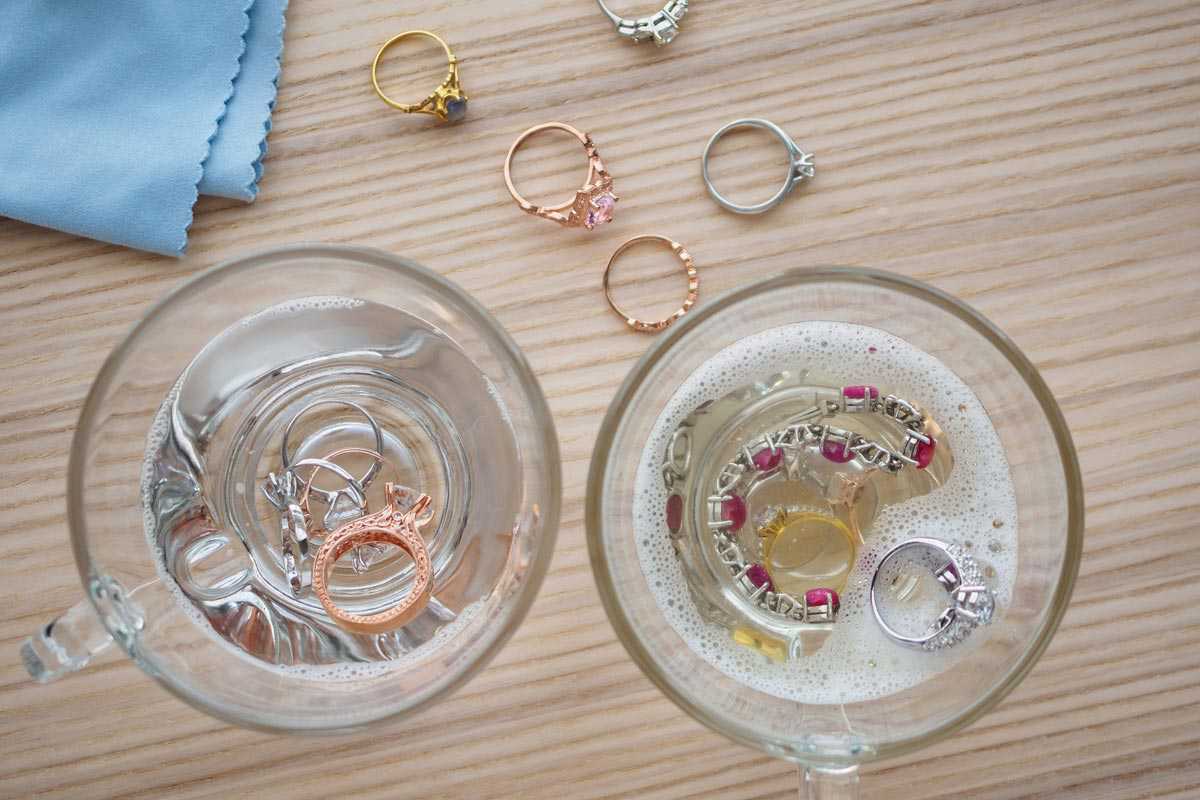
The first method is mixing baking soda with water and then adding a few drops of hydrogen peroxide to the solution. You will then submerge the jewelry into the solution.
Let it stand for about ten to fifteen minutes, and lift out, so you can brush it with a soft-bristled toothbrush. The type of toothbrush that you use is extremely important because hard bristles can actually damage the fragile surface of both genuine jewelry and costume jewelry, so check before brushing.

Method 2: Wet the Jewelry with Water, Then Add the Baking Soda
The second method is wetting the jewelry with some water and then add the baking soda directly. Brush the surface, and then add a few drops of hydrogen peroxide to boost the solution. Quickly rinse the jewelry with some water and pat dry. You can polish the jewelry when the large beads of water are gone and just air dries everything before placing the jewelry back into storage.
RELATED POST: What Do Professional Jewelers Use to Clean Jewelry?
Important Reminders in Cleaning Jewelry
If you are not sure if your jewelry is genuine or not, it would be best to bring them to a jeweler to find out exactly what they are. Some pieces of jewelry are plated with silver and gold or are made with actual precious and semiprecious stones.
 If this is the case, then you need to be extra careful with the cleaning process, especially with gemstones as these can easily take damage from any kind of moisture. The use of ultrasonic jewelry cleaners can work well for many solid-metal pieces, but GIA advises against putting pearls, coral, amber, jet or shell, or gems treated with oil, wax or resin (common in emerald, opal and lapis lazuli), in an ultrasonic cleaner. These machines are quite easy to use and are friendly to novice DIY jewelry enthusiasts who may be interested in creating and selling their own homemade jewelry.
What Happens if You Use the Wrong Type of Cleaner for Any Kind of Jewelry?
What usually happens is that inappropriate chemicals react with the metals, and the chemical reactions result in permanent staining or discolorations. While the staining may not damage the physical integrity of gold or silver or any kind of metal used in costume jewelry, the discoloration may be permanent.
Cleaning Jewelry with Vinegar
Vinegar has always been the greatest cleaning equalizer around. It is used not just for jewelry, but in the laundry (it removes odors) and cleansing kitchenware like cutting boards that are generally hard to clean well. To clean with this amazing gift from nature, all you need is a shallow basin and some white vinegar.
How to clean
Fill the shallow basin with just enough white vinegar to submerge your jewelry, and then drop everything in there. Soak your jewelry for about 15 minutes, with some slight agitation punctuating the natural cleaning process. After soaking, grab your trust soft-bristled toothbrush and begin brushing away at the verdigris.
You will probably notice that after a quarter of an hour, plenty of dirt and much have already been carried away by the white vinegar. If this is the case and you are satisfied with how your jewelry look (especially costume jewelry, which is sometimes easier to clean), then rinse the jewelry and pat dry. A few more minutes of air drying won’t hurt either, as this will ensure that there is zero moisture before you stash the jewelry again.
Does Peroxide Clean Silver Jewelry?
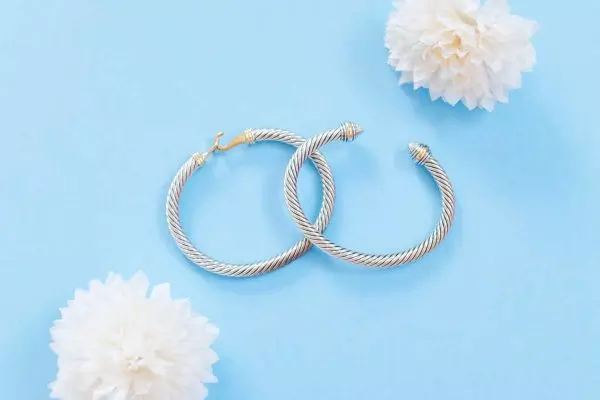
Hydrogen peroxide can help clean solid gold and, with a short soak, sterling silver jewelry. It is less suitable for plated, fake or costume jewelry, where the thin surface layer can be damaged. As we have discussed earlier, it can be used as a boosting agent to remove muck and grime once combined with baking soda.
Never mix hydrogen peroxide and white vinegar in the same container. Combined, they form peracetic acid, which poison centers warn can irritate the skin, eyes and lungs. If you want to use both, use them separately and rinse the jewelry with clean water in between. For a gentle everyday clean, mild dish soap and warm water are enough.
For really old jewelry or jewelry that may have seen better days or may not have been stored properly, you may notice that these pieces will have a darker and more tarnished look to them. It can be frustrating to brush away at such pieces of jewelry and not get good results.
So what you should do if this is the situation at home is to soak the pieces briefly in warm water with a little mild detergent, brush gently and rinse. Do not add vinegar and hydrogen peroxide to the same soak, and do not leave silver in hydrogen peroxide for long periods, as it can darken. For heavily tarnished solid silver, a silver polishing cloth works well; for valuable, antique or plated pieces, ask a jeweler.
After soaking, always remember to do a quick rinse to remove traces of detergent and other cleaning agents from the jewelry, and then let the jewelry air-dry naturally.
Can Peroxide Clean Costume Jewelry?
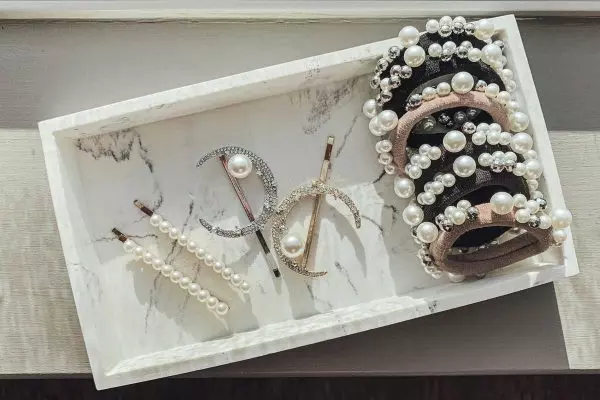
Use hydrogen peroxide with care when cleaning costume jewelry, or fake jewelry: many costume pieces are plated, so test a hidden spot first, or use mild soap and water. Like authentic jewelry crafted from gold, silver, and precious stones, costume jewelry also requires periodic maintenance.
Follow the steps we have already outlined earlier to homemade jewelry cleaner for cleaning costume jewelry with hydrogen peroxide. Apart from the baking soda method above, use one cleaning agent at a time and rinse in between. Never put hydrogen peroxide and vinegar in the same solution (they form peracetic acid), and never mix ammonia with bleach (it releases toxic chloramine gas). The goal, of course, is to make sure that you are able to restore the beauty of your jewelry and not damage them in the process.
Quick Answers: Hydrogen Peroxide and Jewelry
Does hydrogen peroxide damage gold?
Used briefly and rinsed off, household 3% hydrogen peroxide is generally fine on solid gold. Gold-plated jewelry needs more care, because its thin gold layer can be damaged, so test a hidden spot first or use mild soap and water.
Can you clean earrings with hydrogen peroxide?
Yes, if the earrings are solid gold, platinum, stainless steel or titanium: give them a short soak, brush gently, rinse and dry. Test plated earrings on a hidden spot first, and do not use hydrogen peroxide on pearl earrings or earrings set with porous gemstones such as turquoise or opal.
How long should you leave jewelry in hydrogen peroxide?
Keep it short. In the baking soda method above, about 10 to 15 minutes is enough to loosen dirt on solid gold and other suitable metals before brushing. Keep sterling silver soaks shorter, because longer contact can darken silver, and always rinse and dry the piece afterwards.
Why did hydrogen peroxide turn my silver dark?
Hydrogen peroxide can darken (oxidize) silver that is left to soak in it. Rinse and dry the piece; for solid silver, a silver polishing cloth usually restores the shine, and for valuable, antique or plated pieces, ask a jeweler.
Can you mix hydrogen peroxide with vinegar to clean jewelry?
No. Never put hydrogen peroxide and vinegar in the same container: together they form peracetic acid, which can irritate the skin, eyes and lungs. If you use both, use them one at a time and rinse the jewelry with clean water in between.
Another Homemade Jewelry Cleaner: Ammonia
Cleaning your costume jewelry with homemade jewelry cleaning ammonia is by far the easiest way to spruce up costume jewelry because all you will need is basically one part ammonia, and six parts of lukewarm water.
Pour the ammonia solution into a non-reactive basic (plastic is recommended) and submerge all the costume jewelry that needs to be cleaned. Let the solution work on the jewelry for about 10 minutes. There is no need to touch the jewelry or brush anything yet. The ammonia will be lifting the stains and dirt, allowing them to loosen from the surface of the jewelry for easier cleaning later. Work in a well-ventilated area, never mix ammonia with bleach or other cleaners, and do not use ammonia on pearls or porous gemstones.
After ten minutes, it’s time to clean your costume jewelry better with the DIY jewelry cleaner you just created. Grab an old or new toothbrush and start scrubbing away gently at your jewelry. (Tips: Be sure to use a soft-bristled toothbrush so you do not inadvertently damage the surface of your jewelry as this is possible with harder bristles.)
Tools to Clean Jewelry
Small Soft-bristled Toothbrush
You can use either a used one or a new one. Just making sure it is clean. Gently brush the dedicated parts, tiny gaps, and under the settings. Scratches may be left on the metal surface if you brush them too hard.
Ultrasonic Cleaner
While plain water can be used, ultrasonic cleaners work best with special cleaning solutions that amplify their effectiveness. BUT there are some delicate jewelry and gemstone that are not suggested to be cleaned in this way.
RELATED POST: List of 10+ Jewelry that MUST NOT be Cleaned By an Ultrasonic Cleaner
Microfiber Cloth or Towel
Microfiber cloth to gently rub and dry out after rinsing the cleaning agent with water. Fine tissue paper can do the same work but microfiber cloth is most preferred. The surface of toilet paper, kitchen paper are just too rough for rubbing.
Rinse with WATER!
Clean, room temperature running water is essential to rinse the jewelry piece every time after any cleaning agent has been applied on. After that, dry with microfiber cloth gently and keep your jewelry piece in a dry and nice jewelry box.
RELATED POST: How Do You Clean Fake Jewelry At Home?
5 Best Homemade Jewelry Cleaner
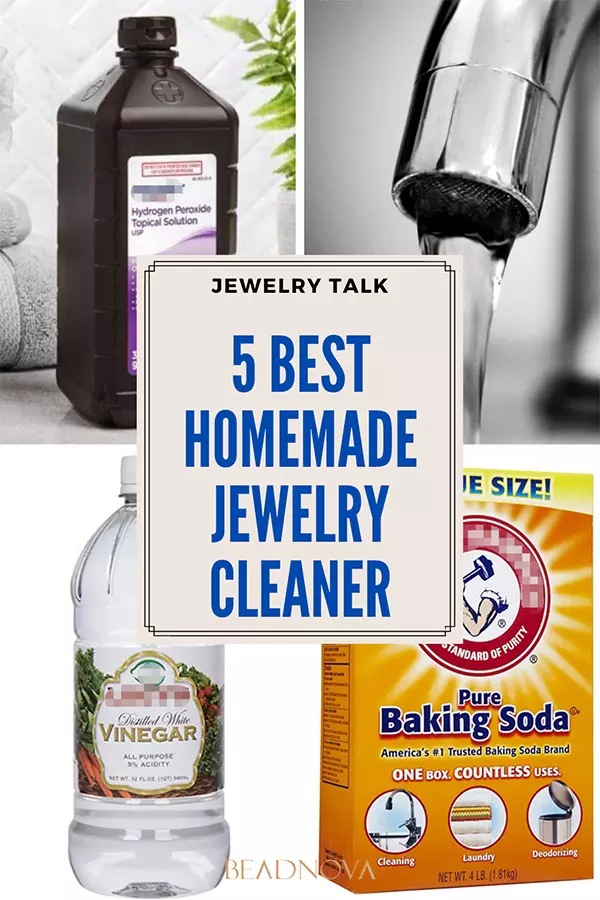
Best Homemade Jewelry Cleaner
Here are the best 5 basic cleaners you should have to get your homemade jewelry cleaner. We believe they are all also serving as other cleaning agents in other household situations.
- Hydrogen Peroxide
- Baking Soda
- Vinegar
- Ammonia
- Water
Apart from baking soda with hydrogen peroxide, use these products one at a time: never mix vinegar with hydrogen peroxide, or ammonia with bleach, and rinse your jewelry with clean water after each. You will not just help yourself clean at a very low cost, but also help the environment.
More articles you may interest:
Does Hydrogen Peroxide Expire?
Does 14K Gold Jewelry Tarnish and How to Remove Tarnish?
Why Does Jewelry Wire Rust or Tarnish Over Time?