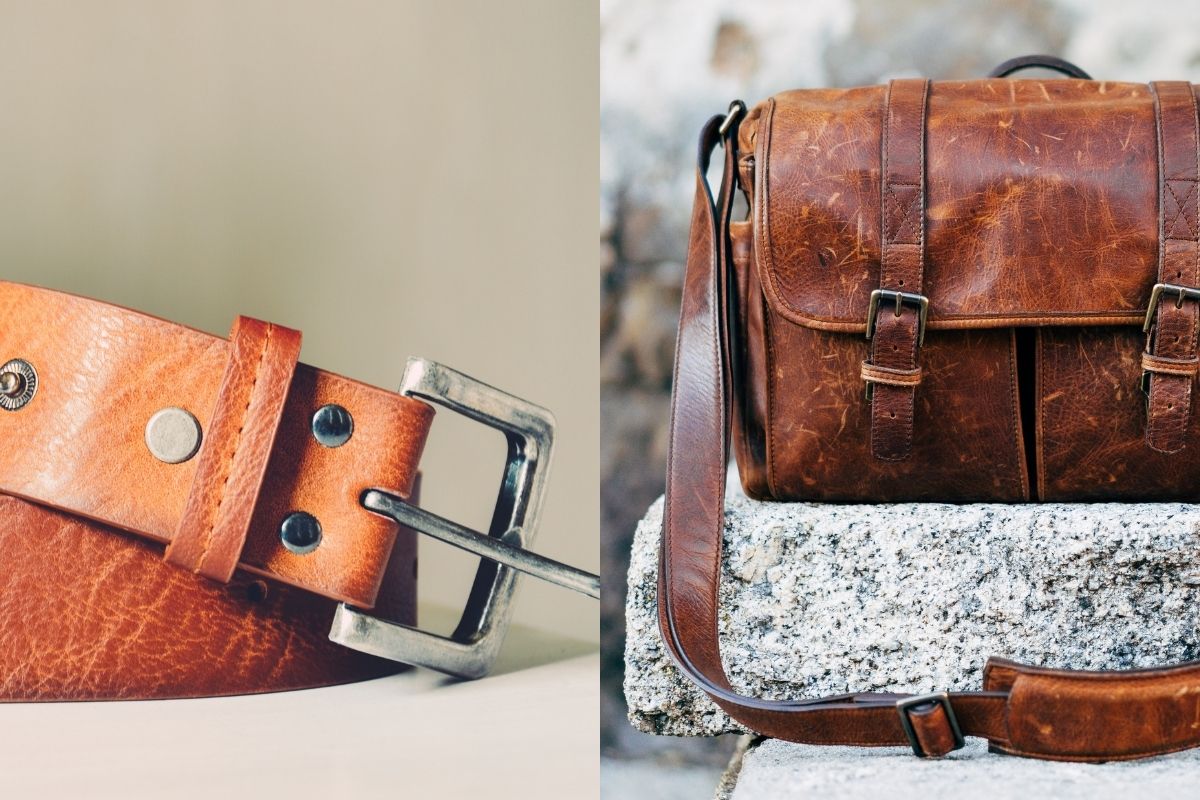
Stiff leather cord for jewelry making usually softens if you bend it gently back and forth along its length; if it is very dry, a small amount of leather conditioner made for that type of leather helps. This guide starts with leather cord, then covers hardened leather boots, jackets, belts and shoes, with leather conditioner as the recommended option, plus notes on household alternatives that some people use and their risks. First, here is why leather becomes hard and stiff.
Table of Contents
What Makes Leather Stiffen?
What makes leather stiffen?
Several factors make leather hard and stiff.
1. Temperature and water
Temperature and water will make leather harden.
High temperature, such as sunlight and heat, will lead leather be aging, fading and even crack faster as its grease will be evaporated. Hence, avoid to place leather product near window.
On the other, do not place leather product at high humidity place/ wet environment. Moisture in air at humid place will make the leather easy to mold or even deteriorate and crack. Therefore, it should be placed at dry and confined place.
2. Long periods without use
Leather should be often used. If you did not use it for long time and without proper care, its grease and moisture will be lost, then the leather will get harden.
3. Improper care
There are so many leather care products in the market, if you use the leather care product that make the surface of leather shiny, some of them may make the leather be harder. If you had been used it, that’s why your leather get stiff.
What Kind of Leather You Can Soften at Home?
a) Leather accessories
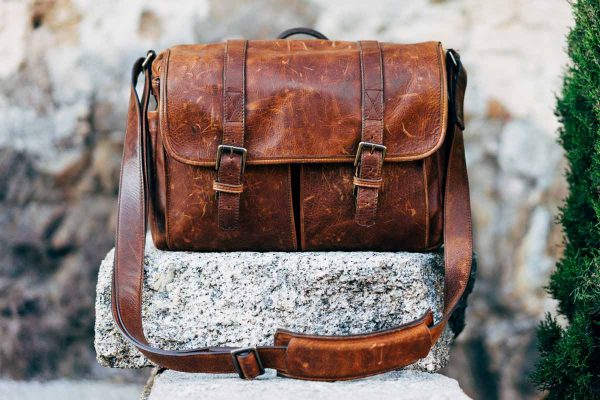
How to soften leather bag?
It can be leather bags, leather shoes, leather boots, leather jacket, leather gloves, leather wallet and leather belt/strap, etc.
b) Leather furniture
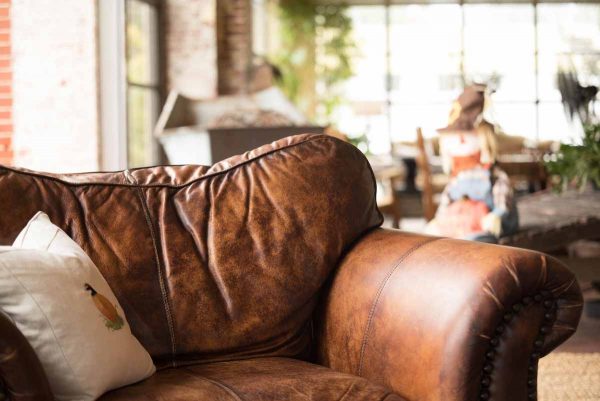
How to soften a leather sofa?
It can be a leather sofa, leather chair, etc.
c) Leather cord for jewelry making

It can be used to DIY leather bracelet, leather necklace, etc
No matter what leather you have, if your leather products get harder and you want to make it softer, let’s continue to scroll down to know how to soften leather.
How to Soften Leather Cord for Jewelry Making
First, check whether your cord is genuine leather or faux (PU) leather. The product title or description should say. The conditioning steps below are for genuine leather cord only. Faux or PU leather cord is a synthetic material with a polyurethane coating, and oil- or fat-based leather care products are not suitable for it: over time they can make the surface sticky or brittle. To keep faux leather cord supple, bend it gently between your fingers, wipe it with a slightly damp cloth if it needs cleaning, and keep it away from oils, alcohol, harsh cleaners and high heat.
It is an absolute joy to work with leather cord when making bracelets, necklaces, and sorts of leather jewelry. But it is frequently asked on how to make it soften so to finish any leather project when the leather cords are stiff and uncooperative.
How stiff a Leather Cord feels depends on its thickness and quality: the thicker the cord, the stiffer it is, and higher-quality genuine leather cord tends to be tougher overall. The main reason leather cord becomes hard to work with (especially cord stored on a spool for a long time) is that it dries out.
Quick steps for stiff leather cord:
- Cut the length of cord you need for your bracelet or necklace.
- Hold it firmly and bend it gently back and forth along its whole length until it relaxes.
- If small cracks appear on the surface, the cord is too dry: rub a little leather conditioner (or a leather oil made for that type of leather) into it, wipe off the excess, and continue bending gently.
- If it is still stiff, rest it and repeat the next day rather than forcing it.
- To straighten cord that is curled from the spool, pull it through a snug bone bead (the bone bead method below).
The two methods are explained in more detail below. The first one needs no softening agents.
1. The bending method
This is the most straightforward method of softening a cord so you can work with it better during a project. To begin, cut the measure of cord that you need for your bracelet or necklace project.
Next, start bending the cord to and fro, making sure that the entire length is able to move with only a small bit leftover as you hold it firmly with your other hand with your thumb and index finger. The more you flex it, the more it loosens. The movement, as you will see will begin unlocking the stiff leather fibers that previously locked the leather cord into a certain shape while it was still rolled tightly on the spool.
Just continue moving the fiber back and forth until you feel it becoming softer and more pliable. The way to do it is gently, but consistently. Excess force, or bending the cord too hard, can result in cracks on the surface of the leather. Such damage might be minute, but it will have a big impact on the appearance of the final product when you use the leather cord for your project. Since you are only working with a small amount of leather, the effort might not require a long time.
Now, keep in mind that there will be instances when a leather cord would soften on the first day, but not to the level that you might want or need for your project. This is okay. You have to condition the leather to stay in a certain shape, so you may want to repeat the bending process the next day. If this still doesn’t work, extend the softening process to a few days and you will eventually get the softness that you want.
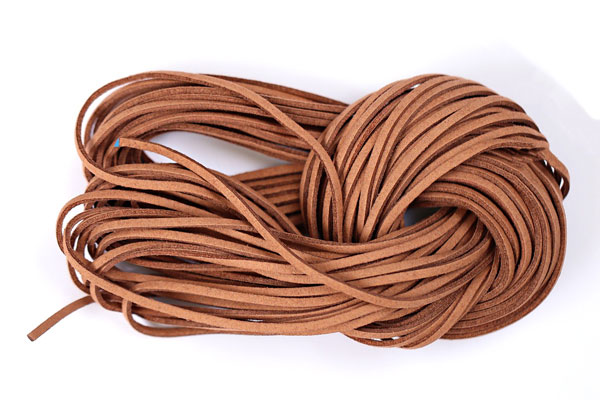
Let’s say that on the first try, you start noticing small cracks immediately on the surface of the leather. If this is the problem it’s likely that the leather is very dry and somewhat aged and requires a bit more help in order to become soft again.
What you should do is to get a little leather conditioner or leather oil and put a few drops on your fingertips. Rub it around a little before spreading on the smooth side or grain side of the leather cord. Since you have already cut the measure of cord that you need for your project, this should be no problem. Just keep rubbing until the oil spreads from one end to the other.
You can also add a little conditioner underneath (the flesh side) as this is the layer that used to be attached to the animal itself. This side of the leather is more porous and will easily absorb liquids. Don’t worry – eventually, all that oil is going to dissipate, and you will have a better-looking cord than before.
Now if you feel that you put on too much, all you need to do is grab a piece of clean cloth or rag, and wipe the cord down to remove the excess oil. The leather will retain just the right amount of oil for its quantity.
After applying the conditioner, continue bending the cord, making sure to be extra careful in not damaging the smooth side of the leather. Slow is good in this case – if you need to let the leather rest for another day that is fine.
2. The bone bead method

The bone bead method is preferred by many beginners because it speeds up the softening process and also helps straighten out the cord much faster.
So for this method what you are going to need is a bone bead or natural bead that has a hole that is snug for the size of the leather Cord that you are using. So it should be easy to thread the leather cord, but there has to be some friction because that’s important for the softening process.
To begin, we recommend that you apply just a little leather conditioner on the leather cord so it won’t be ‘shocked’ by the friction. Next, thread one end of the leather cord through the eye of the natural bead, at an angle, and begin pulling. Making sure that the natural bead or bone bead is rubbing against the material as the added friction is what straightens it. Think of ironing and the application of heat and you’ll see why this process works.
The bone bead method also gives the leather a nice distressed appearance which is awesome for all kinds of jewelry. A distressed look goes well with so many types of fashion statements, including bohemian and casual. Repeat the threading and pulling process until you get the desired straightness.
How to Soften Leather: Shoes, Belt, Strap, Boots, Jacket..?
How to Soften Leather?
1. Use Leather Conditioner
The easiest way to soften your leather is to apply leather conditioner or leather oil. it can be penetrated into the leather’s pores to rejuvenate leather, make the leather be soften, moisturizes and more flexibility.

Step 1: Clean the surface of leather
Repair leather product just like repair your skin. Before putting anything on the leather, Cleaning is the first step. Use a clean wet towel/ tissue to wipe the leather’s surface to remove dust and sand. Cleaning the surface of leather is an important step because it will affect the penetration of the leather conditioner.
Step 2: Apply leather conditioner
Squeeze the leather conditioner onto a clean cloth and wipe in a circular motion. It can ensure the leather conditioner can be spreaded evenly. Work with small area until you wipe whole bag. It is not recommended to apply the leather conditioner directly on the leather because it is harder to apply it evenly and make it too wet.
Reminder: Choose a conditioner made for the type of leather you have, follow the maker’s instructions, and test it on a hidden area first.
Step 3: Maintenance regularly
To maintain your leather product in good condition, it is recommended to clean it and apply leather conditioner regularly. If you leather item is exposed at dry and warm environment, you may make it once in couple of week. Otherwise, you can make it once in half of year.
2. Use Rubbing Alcohol and Vaseline – an alternative of leather conditioner
Some people use rubbing alcohol followed by Vaseline (petroleum jelly) as a substitute for leather conditioner. We don’t recommend it as a general method: alcohol can dry leather out, and leather goods maker Saddleback Leather advises against using rubbing alcohol on leather because it may discolor it. A leather conditioner made for your type of leather is the better choice. If you try this method at all, keep it to an old, inexpensive item and test a small hidden area first.
Step 1: Use rubbing alcohol
Dampen a cotton ball with a little alcohol and wipe a small hidden area first. If the color is unchanged once it has dried, wipe the surface lightly. Don’t saturate the leather.
Step 2: Use Vaseline
After this, take some Vaseline on your fingers and apply it to your leather item until you apply the whole surface.
Step 3 : Let them dry
Can You Use Natural Oil to Soften Stiffen Leather, such as belt?
Sometimes, but it isn’t the first choice: a leather conditioner or leather oil made for your type of leather is safer. Oils people use on belts include coconut oil, almond oil, olive oil, jojoba oil and avocado oil. Leather makers disagree about kitchen oils, though: some recommend a light oil such as coconut oil, while others warn that vegetable oils such as olive oil can go rancid, stain or leave a residue. Test any oil on a hidden spot first, and use very little.
If you do use a natural oil on a belt, test it first, then take a small amount on your fingers or a cotton ball and work it into the belt, section by section, until you have covered the whole belt. Wipe off any excess and let it dry at room temperature, away from direct sun or a heater, because too much heat can damage leather fibers.
How to Soften New Leather Shoes?
Have you bought a new pair of leather shoes, but it is a bit hard that you feel uncomfortable when wearing the leather shoes? Above methods may not a quick way to loose new leather shoe. Here are some ways to stretch leather shoes.
How to Prevent Leather From Getting Hard and Stiff
Leather get stiffen since it does not get well maintained. Keep it away of direct sunlight and vent, both of which will dry and weaken the leather. Regular cleaning and maintenance is also important to keep it in good condition and durable.
More articles you may be interested in:
How to Prevent Leather Cord from Getting Dry and Rotten